Am I Ugly Test: How to Read an AI Face Score Without Letting It Define You
A careful guide to what an ugly test can and cannot tell you, why one photo changes the score, and how to use face-rating tools without turning curiosity into a verdict about your worth.
Written by
FaceAnalysis.org Editorial Team
AI face analysis editors
We review face-analysis tools, photo-quality signals, and safer interpretation patterns so readers can understand what a selfie score can and cannot say.
Review standard
This guide was checked against current am I ugly test SERPs, Similarweb keyword data, privacy patterns, and appearance-comparison safety concerns.
The page includes internal links to our free analysis tools when they help readers test a concept directly.
How this guide was built
Similarweb showed low-difficulty demand around am i ugly test, am i ugly, and how ugly am i test. Current SERPs are mostly upload-and-score tools, so this page focuses on interpretation, privacy, photo variables, and safer next steps rather than another harsh rating widget.
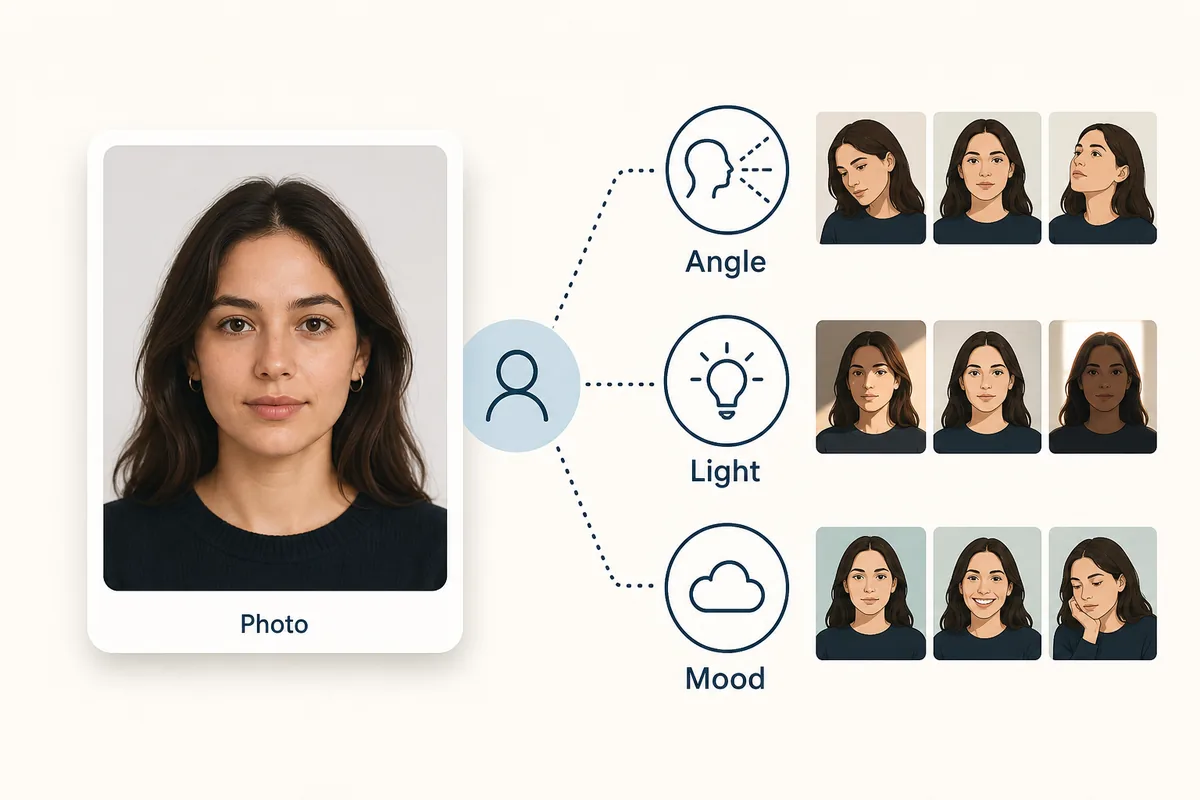
If you searched for an am I ugly test, you probably want a direct answer. The honest answer is more useful than a harsh one: an AI face score can describe visible photo signals such as symmetry, lighting, angle, expression, and proportion cues, but it cannot decide whether you are ugly, valuable, dateable, or worthy of confidence.
Most upload-and-score pages make the question feel simple. They ask for one selfie, return a number, and imply that the number is objective. In reality, the same person can receive different ratings from different photos because camera distance, lens distortion, shadow, facial expression, grooming, and even cropping change what the system can read.
This guide is for people who are curious but want a safer way to interpret the result. It explains what an ugly test usually measures, what it misses, how to take a cleaner comparison photo, what privacy checks matter, and when repeating tests is no longer helpful.
What Is an Am I Ugly Test?
An am I ugly test is usually a photo-based face-rating tool or quiz that tries to translate visible appearance signals into a score, label, or short explanation. AI versions normally look for landmarks and compare facial symmetry, proportions, feature spacing, skin appearance in the image, and sometimes age or expression signals. Quiz versions often ask questions about style, confidence, grooming, or social presentation instead of measuring a photo.
That distinction matters. A photo tool can only read the pixels you give it. It does not know your real-life movement, voice, posture, warmth, humor, cultural context, or how different people respond to you. A quiz can only reflect the assumptions built into its questions. Neither format should be treated like a final appearance diagnosis.
Useful face analysis is specific. It might tell you that one selfie is too close to the camera, that shadows hide one side of the face, or that a neutral front-facing image is easier to compare. Harmful face analysis turns a temporary photo reading into a fixed identity label.
Quick answer
Use an am I ugly test as a low-stakes photo feedback tool, not as a verdict about your face or your value.
What AI Face Scores Usually Measure
Different tools use different models, but most AI face-rating systems revolve around visible and measurable cues. These cues can be useful for understanding why one photo reads better than another, but they are still incomplete and sensitive to image quality.
The safest way to read a score is to translate it back into signals. Instead of asking, “Am I ugly?” ask, “What did this photo make easier or harder for the tool to see?” That shift keeps the result practical.
| Signal | What it can suggest | Why it is limited |
|---|---|---|
| Symmetry | Whether visible features line up evenly left to right | Expression, head tilt, and shadows can change the reading |
| Proportions | Relative spacing between eyes, nose, lips, chin, and face outline | Camera distance and lens width can distort proportions |
| Lighting and skin visibility | Whether the image shows texture, contrast, and feature edges clearly | Harsh light can exaggerate texture; low light can hide detail |
| Expression | Whether the face looks neutral, tense, smiling, or tired | Mood in one photo is not a stable attractiveness trait |
| Photo quality | Sharpness, crop, resolution, and landmark visibility | A poor upload can lower confidence more than appearance |
- Do not compare scores from different tools as if they share one universal scale.
- Read the explanation before reacting to the number.
- If a result says the photo is low quality, retake the photo before drawing conclusions.
- A score is more useful when it points to a concrete photo variable.
How to Take a Cleaner Photo Before Testing
If you decide to use a face-rating tool, the photo setup matters more than most people expect. A close phone selfie can enlarge the center of the face, shorten the ears and jawline, and make proportions look different from how people see you at normal distance.
A cleaner setup does not guarantee a higher score, but it gives the tool a fairer image and makes repeated tests easier to compare.
Use a straight front-facing photo
Keep both eyes visible, avoid strong head tilt, and place the camera around eye level.
Move the camera back
Use a natural arm-length or slightly farther distance instead of an extreme close-up.
Use even light
Face a window or soft light so one side is not buried in shadow.
Keep expression neutral first
A neutral image is easier to compare; then you can test a smiling photo separately.
How to Interpret the Result Without Spiraling
The most important part of an ugly test is not the score; it is how you respond to it. If the result gives you a number from 1 to 10 or 0 to 100, treat it as a reading of one image under one model. It is not a social truth and not a prediction of how people will treat you.
A helpful result should make you calmer and more informed. If it makes you keep uploading photos for reassurance, comparing yourself compulsively, or looking for harsher labels, the tool has stopped being useful.
A useful reading
It explains a visible photo issue, such as angle, lighting, expression, or crop.
A weak reading
It gives a harsh label without explaining photo quality or measurable signals.
A risky reading
It pushes “brutal honesty,” permanent labels, or paid fixes before context.
A better next step
Use one clean photo, read the notes, then stop instead of chasing a perfect score.
Why the Same Face Gets Different Scores
People often assume a face-rating score should be stable. In practice, the same person can look very different across selfies. That does not mean the person changed; it means the image changed.
This is why the phrase “how ugly am I test” is misleading. A single test is not measuring your whole appearance. It is measuring a photo sample, using a model whose training data, labels, and assumptions you usually cannot inspect.
One score is not enough evidence
If two photos produce different results, look for differences in lighting, lens distance, angle, expression, and image clarity before assuming the lower score is more truthful.
Common reasons scores move
- Close wide-angle selfies distort the center of the face.
- Side lighting can make normal asymmetry look stronger.
- A tense expression can change mouth, jaw, and eye cues.
- Filters and heavy smoothing can confuse skin and landmark signals.
- Different tools may reward different assumptions about attractiveness.
Research and mental-health organizations have also warned that appearance comparison can affect body image. For context, see the American Psychological Association report on social media use and body image and keep appearance tools in a low-stakes, limited-use role.
Privacy Checks Before You Upload a Selfie
An appearance test uses sensitive visual data. Before uploading, check whether the page explains what happens to your image, whether photos are stored, whether results are public, and whether you can delete or avoid saving the upload.
A privacy promise should be specific. “Secure” is not enough by itself. Look for plain-language details about processing, retention, sharing, and account requirements. If the tool is vague or tries to pressure you into uploading multiple images, choose a safer option or skip it.
- Look for a clear privacy policy before uploading.
- Avoid tests that publish photos or scores publicly by default.
- Do not upload someone else’s face without consent.
- Use a recent ordinary photo instead of an ID, school, workplace, or medical image.
If you use FaceAnalysis.org, review our privacy policy.
For a broader explanation of what AI face tools can and cannot infer, read our AI face analysis guide before treating any score as definitive.
Photo Variables That Change an Ugly Test Result
The image below shows why two uploads can feel like two different answers. The left side has uneven light and close framing. The right side uses calmer lighting and a more natural distance. A tool may rate those images differently even though the person is the same.
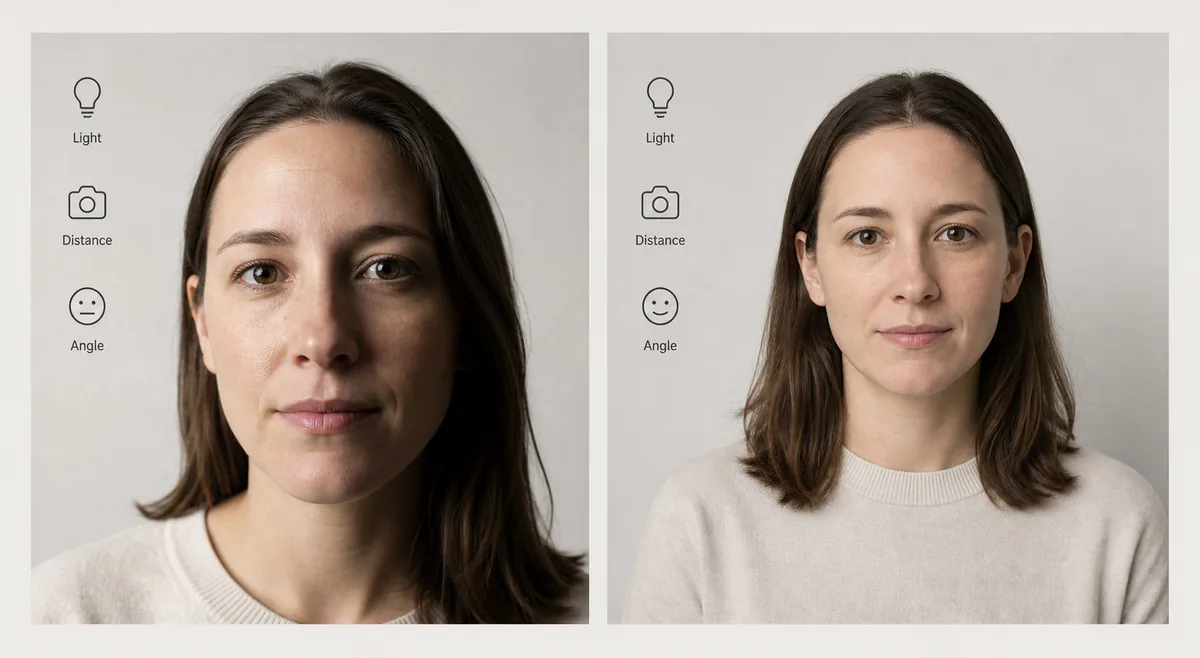
| Photo choice | Better option |
|---|---|
| Lighting | Soft, even light from the front |
| Camera distance | Not too close; avoid wide-angle distortion |
| Expression | Neutral first, smile as a separate comparison |
| Background | Simple background with the full face visible |
When Not to Take Another Test
A test can be entertaining once or twice. It becomes less useful when it turns into reassurance seeking. If you keep retesting because one score felt bad, the next upload may not actually answer the deeper concern.
Stop testing if the result changes your mood for the rest of the day, makes you avoid photos, pushes you toward extreme appearance claims, or makes you search for harsher communities. At that point, talk with a trusted person, take a break from appearance content, or focus on concrete photo and styling choices instead of labels.
Stop after a clean comparison
One neutral photo and one smiling photo are enough for practical feedback.
Avoid harsh communities
Crowdsourced “brutal” ratings often reward shock over useful feedback.
Separate photo from identity
A bad image can be fixed; a label should not become your self-description.
Choose actionable feedback
Lighting, haircut, posture, and camera distance are more useful than a hurtful score.
Bottom Line
An am I ugly test can be a quick way to understand how one photo reads to an algorithm. It can also become misleading if you treat the score as a permanent fact about your face.
The best use is narrow: upload one clean photo, read the specific signals, protect your privacy, and keep the result in perspective. You are not a number from one image.
Practical conclusion
If you test, test once with a good photo, use the notes as photo feedback, and do not let a score become a personal verdict.
Am I Ugly Test FAQ
References and Further Reading
Try a More Specific Face Analysis Instead
If you want practical photo feedback, use a clearer tool that separates symmetry, proportions, and photo setup instead of asking one harsh yes-or-no question.