Am I Ugly Test: AI 얼굴 점수를 나를 정의하는 말로 만들지 않는 법
“내가 못생겼나?” 테스트가 말할 수 있는 것과 없는 것, 사진 조건이 점수를 바꾸는 이유, 결과를 자기평가로 만들지 않는 방법을 정리한 가이드입니다.
작성
FaceAnalysis.org Editorial Team
AI face analysis editors
We review face-analysis tools, photo-quality signals, and safer interpretation patterns so readers can understand what a selfie score can and cannot say.
검토 기준
This guide was checked against current am I ugly test SERPs, Similarweb keyword data, privacy patterns, and appearance-comparison safety concerns.
The page includes internal links to our free analysis tools when they help readers test a concept directly.
검토 기준
“내가 못생겼나?” 테스트가 말할 수 있는 것과 없는 것, 사진 조건이 점수를 바꾸는 이유, 결과를 자기평가로 만들지 않는 방법을 정리한 가이드입니다.
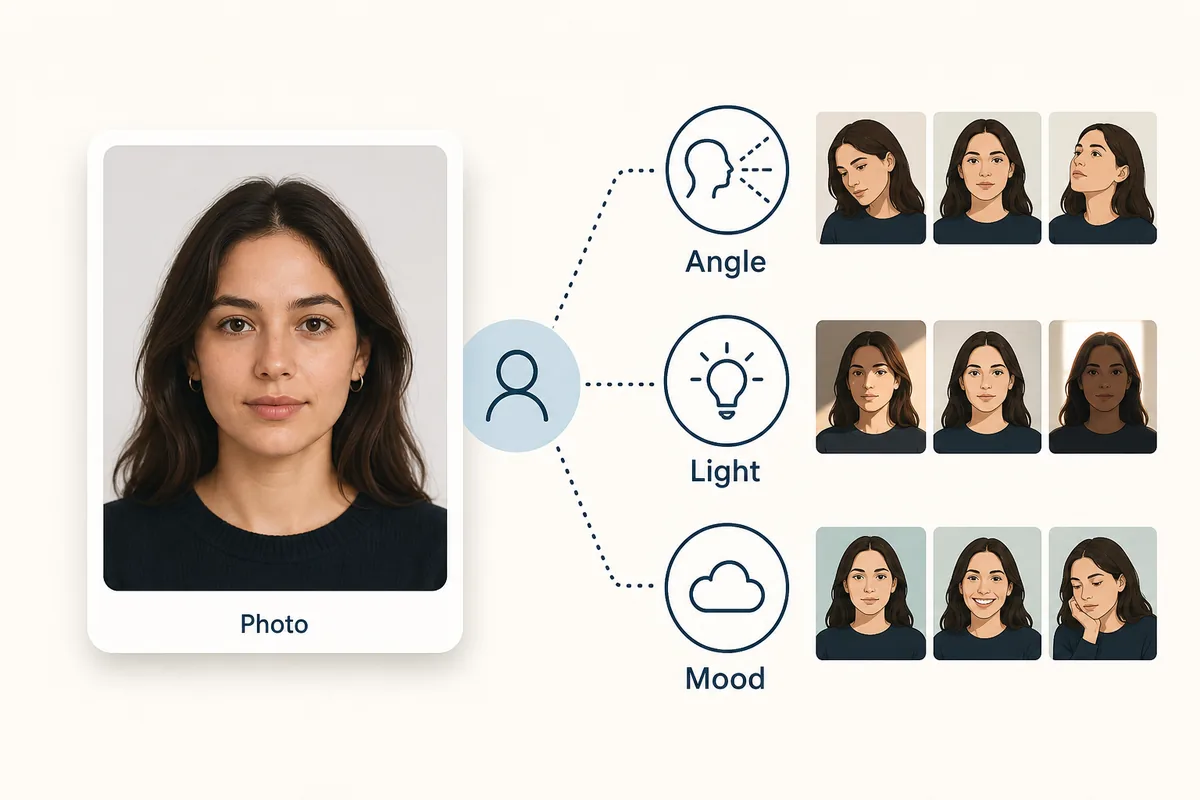
am i ugly test를 검색했다면 단정적인 답을 원했을 수 있습니다. 하지만 더 유용한 답은 차분합니다. AI는 사진 속 대칭, 조명, 각도, 표정, 비율 신호를 읽을 수 있지만 당신의 가치나 실제 매력을 결정할 수는 없습니다.
많은 도구는 셀피 한 장을 올리면 숫자를 줍니다. 그러나 같은 사람도 카메라 거리, 렌즈, 그림자, 표정, 크롭이 달라지면 결과가 달라질 수 있습니다.
이 글은 결과를 안전하게 해석하는 법, 사진 변수를 확인하는 법, 개인정보를 지키는 법, 그리고 테스트를 멈춰야 할 때를 설명합니다.
Am I Ugly Test란?
am i ugly test를 검색했다면 단정적인 답을 원했을 수 있습니다. 하지만 더 유용한 답은 차분합니다. AI는 사진 속 대칭, 조명, 각도, 표정, 비율 신호를 읽을 수 있지만 당신의 가치나 실제 매력을 결정할 수는 없습니다.
많은 도구는 셀피 한 장을 올리면 숫자를 줍니다. 그러나 같은 사람도 카메라 거리, 렌즈, 그림자, 표정, 크롭이 달라지면 결과가 달라질 수 있습니다.
이 글은 결과를 안전하게 해석하는 법, 사진 변수를 확인하는 법, 개인정보를 지키는 법, 그리고 테스트를 멈춰야 할 때를 설명합니다.
“내가 못생겼나?” 테스트가 말할 수 있는 것과 없는 것, 사진 조건이 점수를 바꾸는 이유, 결과를 자기평가로 만들지 않는 방법을 정리한 가이드입니다.
테스트란
“내가 못생겼나?” 테스트가 말할 수 있는 것과 없는 것, 사진 조건이 점수를 바꾸는 이유, 결과를 자기평가로 만들지 않는 방법을 정리한 가이드입니다.
AI 얼굴 점수가 주로 보는 것
am i ugly test를 검색했다면 단정적인 답을 원했을 수 있습니다. 하지만 더 유용한 답은 차분합니다. AI는 사진 속 대칭, 조명, 각도, 표정, 비율 신호를 읽을 수 있지만 당신의 가치나 실제 매력을 결정할 수는 없습니다.
많은 도구는 셀피 한 장을 올리면 숫자를 줍니다. 그러나 같은 사람도 카메라 거리, 렌즈, 그림자, 표정, 크롭이 달라지면 결과가 달라질 수 있습니다.
| Signal | What it can suggest | Why it is limited |
|---|---|---|
| Symmetry | Whether visible features line up evenly left to right | Expression, head tilt, and shadows can change the reading |
| Proportions | Relative spacing between eyes, nose, lips, chin, and face outline | Camera distance and lens width can distort proportions |
| Lighting and skin visibility | Whether the image shows texture, contrast, and feature edges clearly | Harsh light can exaggerate texture; low light can hide detail |
| Expression | Whether the face looks neutral, tense, smiling, or tired | Mood in one photo is not a stable attractiveness trait |
| Photo quality | Sharpness, crop, resolution, and landmark visibility | A poor upload can lower confidence more than appearance |
- Do not compare scores from different tools as if they share one universal scale.
- Read the explanation before reacting to the number.
- If a result says the photo is low quality, retake the photo before drawing conclusions.
- A score is more useful when it points to a concrete photo variable.
테스트 전 더 공정한 사진 찍기
많은 도구는 셀피 한 장을 올리면 숫자를 줍니다. 그러나 같은 사람도 카메라 거리, 렌즈, 그림자, 표정, 크롭이 달라지면 결과가 달라질 수 있습니다.
이 글은 결과를 안전하게 해석하는 법, 사진 변수를 확인하는 법, 개인정보를 지키는 법, 그리고 테스트를 멈춰야 할 때를 설명합니다.
“내가 못생겼나?” 테스트가 말할 수 있는 것과 없는 것, 사진 조건이 점수를 바꾸는 이유, 결과를 자기평가로 만들지 않는 방법을 정리한 가이드입니다.
Use a straight front-facing photo
Keep both eyes visible, avoid strong head tilt, and place the camera around eye level.
Move the camera back
Use a natural arm-length or slightly farther distance instead of an extreme close-up.
Use even light
Face a window or soft light so one side is not buried in shadow.
Keep expression neutral first
A neutral image is easier to compare; then you can test a smiling photo separately.
결과에 휘둘리지 않고 해석하기
am i ugly test를 검색했다면 단정적인 답을 원했을 수 있습니다. 하지만 더 유용한 답은 차분합니다. AI는 사진 속 대칭, 조명, 각도, 표정, 비율 신호를 읽을 수 있지만 당신의 가치나 실제 매력을 결정할 수는 없습니다.
많은 도구는 셀피 한 장을 올리면 숫자를 줍니다. 그러나 같은 사람도 카메라 거리, 렌즈, 그림자, 표정, 크롭이 달라지면 결과가 달라질 수 있습니다.
A useful reading
It explains a visible photo issue, such as angle, lighting, expression, or crop.
A weak reading
It gives a harsh label without explaining photo quality or measurable signals.
A risky reading
It pushes “brutal honesty,” permanent labels, or paid fixes before context.
A better next step
Use one clean photo, read the notes, then stop instead of chasing a perfect score.
같은 얼굴도 점수가 달라지는 이유
많은 도구는 셀피 한 장을 올리면 숫자를 줍니다. 그러나 같은 사람도 카메라 거리, 렌즈, 그림자, 표정, 크롭이 달라지면 결과가 달라질 수 있습니다.
이 글은 결과를 안전하게 해석하는 법, 사진 변수를 확인하는 법, 개인정보를 지키는 법, 그리고 테스트를 멈춰야 할 때를 설명합니다.
“내가 못생겼나?” 테스트가 말할 수 있는 것과 없는 것, 사진 조건이 점수를 바꾸는 이유, 결과를 자기평가로 만들지 않는 방법을 정리한 가이드입니다.
One score is not enough evidence
If two photos produce different results, look for differences in lighting, lens distance, angle, expression, and image clarity before assuming the lower score is more truthful.
Common reasons scores move
- Close wide-angle selfies distort the center of the face.
- Side lighting can make normal asymmetry look stronger.
- A tense expression can change mouth, jaw, and eye cues.
- Filters and heavy smoothing can confuse skin and landmark signals.
- Different tools may reward different assumptions about attractiveness.
Research and mental-health organizations have also warned that appearance comparison can affect body image. For context, see the American Psychological Association report on social media use and body image and keep appearance tools in a low-stakes, limited-use role.
셀피 업로드 전 개인정보 확인
am i ugly test를 검색했다면 단정적인 답을 원했을 수 있습니다. 하지만 더 유용한 답은 차분합니다. AI는 사진 속 대칭, 조명, 각도, 표정, 비율 신호를 읽을 수 있지만 당신의 가치나 실제 매력을 결정할 수는 없습니다.
많은 도구는 셀피 한 장을 올리면 숫자를 줍니다. 그러나 같은 사람도 카메라 거리, 렌즈, 그림자, 표정, 크롭이 달라지면 결과가 달라질 수 있습니다.
- Look for a clear privacy policy before uploading.
- Avoid tests that publish photos or scores publicly by default.
- Do not upload someone else’s face without consent.
- Use a recent ordinary photo instead of an ID, school, workplace, or medical image.
If you use FaceAnalysis.org, review our privacy policy.
For a broader explanation of what AI face tools can and cannot infer, read our AI face analysis guide before treating any score as definitive.
결과를 바꾸는 사진 변수
“내가 못생겼나?” 테스트가 말할 수 있는 것과 없는 것, 사진 조건이 점수를 바꾸는 이유, 결과를 자기평가로 만들지 않는 방법을 정리한 가이드입니다.
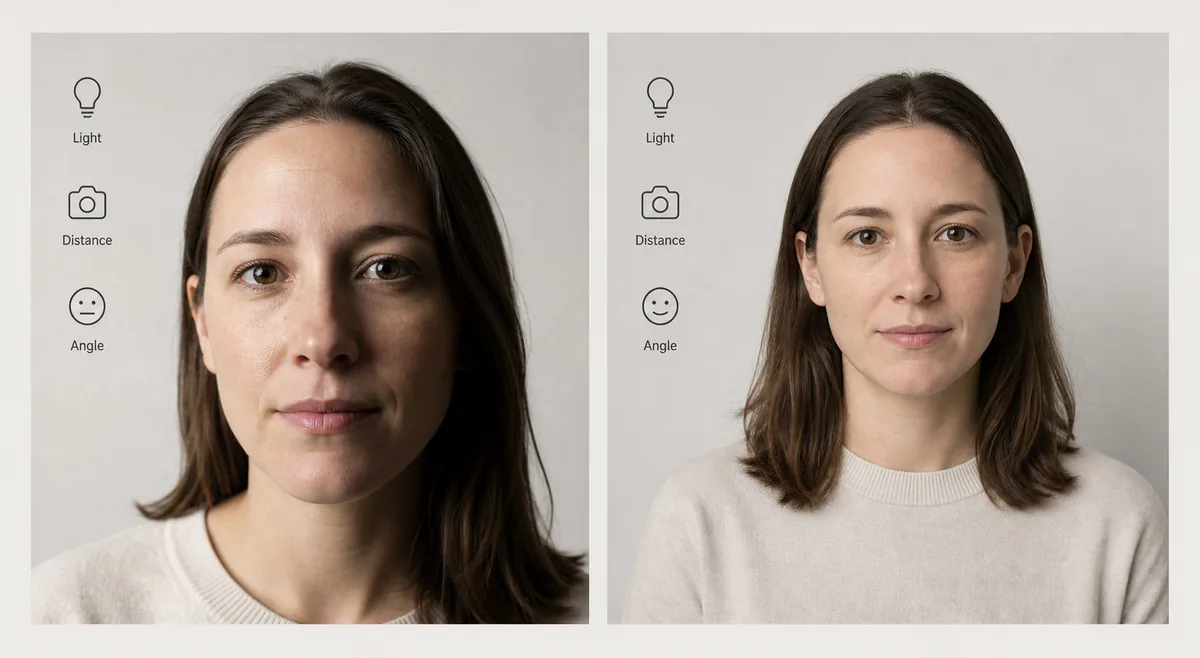
| Photo choice | Better option |
|---|---|
| Lighting | Soft, even light from the front |
| Camera distance | Not too close; avoid wide-angle distortion |
| Expression | Neutral first, smile as a separate comparison |
| Background | Simple background with the full face visible |
다시 테스트하지 않는 것이 좋을 때
많은 도구는 셀피 한 장을 올리면 숫자를 줍니다. 그러나 같은 사람도 카메라 거리, 렌즈, 그림자, 표정, 크롭이 달라지면 결과가 달라질 수 있습니다.
이 글은 결과를 안전하게 해석하는 법, 사진 변수를 확인하는 법, 개인정보를 지키는 법, 그리고 테스트를 멈춰야 할 때를 설명합니다.
“내가 못생겼나?” 테스트가 말할 수 있는 것과 없는 것, 사진 조건이 점수를 바꾸는 이유, 결과를 자기평가로 만들지 않는 방법을 정리한 가이드입니다.
Stop after a clean comparison
One neutral photo and one smiling photo are enough for practical feedback.
Avoid harsh communities
Crowdsourced “brutal” ratings often reward shock over useful feedback.
Separate photo from identity
A bad image can be fixed; a label should not become your self-description.
Choose actionable feedback
Lighting, haircut, posture, and camera distance are more useful than a hurtful score.
정리
am i ugly test를 검색했다면 단정적인 답을 원했을 수 있습니다. 하지만 더 유용한 답은 차분합니다. AI는 사진 속 대칭, 조명, 각도, 표정, 비율 신호를 읽을 수 있지만 당신의 가치나 실제 매력을 결정할 수는 없습니다.
많은 도구는 셀피 한 장을 올리면 숫자를 줍니다. 그러나 같은 사람도 카메라 거리, 렌즈, 그림자, 표정, 크롭이 달라지면 결과가 달라질 수 있습니다.
정리
“내가 못생겼나?” 테스트가 말할 수 있는 것과 없는 것, 사진 조건이 점수를 바꾸는 이유, 결과를 자기평가로 만들지 않는 방법을 정리한 가이드입니다.
테스트란 FAQ
관련 글과 도구
더 구체적인 얼굴 분석 사용하기
“내가 못생겼나?” 테스트가 말할 수 있는 것과 없는 것, 사진 조건이 점수를 바꾸는 이유, 결과를 자기평가로 만들지 않는 방법을 정리한 가이드입니다.